Uniting Word And Melody: Collaborating With Musicians And Songwriters As A Poet

Poetry and music collaboration offers an opportunity to explore the relationship between words and melody. Through a partnership with musicians and songwriters, poets have the opportunity to delve into this unique form of expression. The combination of poetry and music brings together two distinct art forms, allowing for a powerful bridge between lyrical elements and musical accompaniment. By uniting words and melody, poets can create a captivating atmosphere that captures the audience's subconscious desire for freedom.
This article will provide an in-depth look at collaborating with musicians and songwriters as a poet. It will discuss the different aspects of such collaborations, examining topics such as how to develop creative ideas, how to work effectively with others, what is expected of each collaborator in terms of style, structure, and performance, as well as how to collaborate in an online format. It will also consider some of the challenges that may arise from working together on such projects. Ultimately, this article will provide insight into how to successfully pursue poetry and music collaborations that can be enriching experiences for all participants involved.
Key Takeaway
Uniting words and melody involves poets collaborating with musicians and songwriters to create a unique blend of art. This article explores various aspects of such collaborations, from developing creative ideas and working effectively with others to understanding copyright laws and managing creative anxiety. It also addresses the challenges of collaborating in an online format and overcoming creative differences while providing valuable resources for successful collaboration and setting reasonable expectations to ensure a positive and rewarding experience.
Collaborating with musicians and songwriters as a poet opens up new avenues of artistic expression while fostering a sense of camaraderie and shared achievement. By understanding the different aspects involved, including style, structure, and performance expectations, poets can work together with musicians and songwriters to create a harmonious blend of word and melody, ultimately reaping the rewards of successful collaboration and expanding their creative horizons.
Recommended Action
Don't miss out on our comprehensive guide to collaborating with other artists for expert tips and advice on how to successfully sell your poetry.
Developing Creative Ideas
Collaborating with musicians and songwriters as a poet requires the ability to develop creative ideas. Brainstorming is essential in order to come up with unique concepts that can be explored through music and poetry. This process can be an enjoyable experience when done with the right people who share the same passion for art and creativity. Sharing experiences, knowledge, and skills can help push the boundaries of expression and provide new perspectives. It is important to remain open-minded while still maintaining focus on the task at hand.
The next step involves working effectively with others to make something great out of these creative ideas. It takes patience, understanding, and respect for each other's artistry to ensure success in a collaborative effort. The process should involve plenty of communication between all parties involved as well as a clear goal for what needs to be accomplished by the end result. Everyone must work together in order to create something that satisfies the needs of everyone involved while providing an overall enjoyable experience.
The key to successful collaboration is finding a balance between where one's own artistic skills meet those of their peers, creating something bigger than any individual could do alone. In order for this balance to happen, everyone must trust in each other's capabilities and allow each person's individual style to come through without compromising on the quality or integrity of the project itself. With this trust established, it becomes easier for each artist within the group to express themselves freely while contributing toward a common goal. Transitioning into this next stage of collaboration should not feel like a daunting task if all parties have done their part in developing creative ideas beforehand.
Working Effectively With Others
- Effective communication is essential for successful collaborations between poets and musicians; it can help ensure clarity of ideas and goals.
- Respect for each other's creative process is necessary to foster a productive working relationship.
- Listening to one another throughout the collaboration ensures a mutual understanding of the project.
- Compromise is key to resolving conflicts and reaching an agreement among collaborators.
- Problem-solving, collaborative planning, and open-mindedness are all essential to successful collaboration.
- Patience, empathy, acceptance, and working toward a common goal serve to create an environment that encourages creativity, understanding, and honesty.
Communication
Effective communication is essential for successful collaboration between poets and songwriters. Building rapport and fostering strong relationships between the partners can be achieved through engaging in meaningful dialogue, listening actively to one another's ideas, and demonstrating mutual respect. In this way, a platform of trust and understanding can be established that encourages creative problem-solving and open-mindedness. As a poet looking to collaborate with musicians and songwriters, it is important to have an honest exchange of ideas while also being mindful of others' feelings. This means sharing insights without judgment or criticism while striving to create a space where all participants can feel comfortable expressing themselves freely. By creating an atmosphere of acceptance and collaboration, poets are able to bring together word and melody in a meaningful way that uplifts the audience with its powerful message of freedom.
Respect
Respect is a key component of successful collaboration between poets and songwriters. Valuing the opinions of others, creating an atmosphere of acceptance, and cultivating trust are all essential for creating meaningful work. Respectful communication involves listening to each other's ideas with an open mind and expressing them without judgment or criticism. Doing so demonstrates an understanding that each person's input is valuable and worthy of recognition, encouraging creative problem-solving and innovation in the songwriting process. Furthermore, respect encourages all involved to work together toward a common goal, empowering the audience with its message of freedom. By establishing a platform of mutual respect and understanding, poet-songwriter collaborations can reach their full potential as they explore new ways to combine word and melody into something greater than the sum of its parts.
Listening
Listening is a fundamental part of effective collaboration between poet-songwriters. Sharing perspectives and listening to constructive criticism can help foster an atmosphere of acceptance, creativity, and trust. In order to create meaningful work together, it is essential that each person take the time to listen carefully and with an open mind. This allows everyone involved in the project to benefit from the exchange of ideas, which, in turn, encourages them to explore different ways of combining words and melody. By remaining attentive and receptive to new perspectives, poet-songwriters can come together in a spirit of unity and understanding that will empower their audience with their message of freedom. Respectful communication is key; it serves as a reminder that each individual's input is valuable and should be acknowledged accordingly.
Defining Style, Structure, And Performance Expectations
When collaborating with musicians and songwriters as a poet, it is important to define style, structure, and performance expectations. Finding harmony between words and music is essential to creating an engaging piece. This involves creating a rhythm that can be interpreted by all parties involved in the collaboration. Working together to share ideas and create something that speaks to the audience's subconscious desire for freedom should be the main focus of the collaboration.
The structure of a poem or lyric should also be taken into consideration. It is beneficial for all collaborators to analyze how each line works together to create a cohesive thought or emotion. This could involve discussing aspects such as rhyme schemes, meter, line breaks, and other poetic devices. Additionally, understanding the overall goal of the collaboration can help each collaborator contribute effectively toward its completion.
Performance expectations should also be discussed between poets and musicians. This could range from topics such as vocal inflection to instrumentation, tempo, dynamics, and more. Exploring these elements can help bring out the full potential of any given piece. Crafting an experience for an audience that desires freedom requires intense attention to detail when it comes to preparing for a performance. With these considerations in mind, we are ready to take on collaborating in an online format for our next step forward.

Collaborating In An Online Format
Virtual collaboration is becoming a more popular way for poets and musicians to unite their words and melodies. Online songwriting is a great way for songwriters to share and work on their song ideas remotely. Poets and musicians can use digital tools, like audio editing and music notation software, to collaborate remotely. This type of collaboration allows for greater creativity and flexibility in the songwriting process.
Virtual Collaboration
The ability to collaborate remotely has been greatly enhanced through the use of various virtual tools. The use of these tools allows for remote communication between the poet and musician, allowing for the creation of a unified piece that combines both word and melody. Through the use of video conferencing software, poets are able to work alongside musicians to create an engaging piece that fulfills the desire for freedom that lies within an audience's subconscious. Additionally, cloud-based file-sharing services allow each collaborator to share their work with each other in a convenient and efficient manner. This allows each artist to review the contributions of their partner without having to wait for physical materials or documents, thus ensuring that collaboration is never interrupted or hindered due to geographic distance. By utilizing these resources, poets and musicians can create works that combine both words and music in a way that truly speaks to an audience's desire for freedom.
Online Songwriting
Online songwriting is a unique form of collaboration that requires the ability to network virtually. Through the utilization of virtual tools, poets and musicians can create unified pieces that combine both words and melody in order to communicate with an audience on a deeper level. While traditional collaborative processes are limited by physical distance, online songwriting opens up new possibilities for poets and musicians who wish to share their ideas without restriction. By using video conferencing software, cloud-based file-sharing services, and other virtual tools, poets and musicians can connect instantly with each other so they can work together to craft compositions that speak to the subconscious desire for freedom within an audience. By engaging in online songwriting, poets and musicians can express themselves freely through their art while connecting with audiences around the world.
Overcoming Creative Differences
Collaborating in an online format offers many advantages for poets and musicians alike. There is no need to leave the comfort of one's home or worry about travel costs or scheduling problems. Furthermore, it allows one to work with others from different parts of the world. However, when it comes to uniting words and melody, this distance can also lead to creative differences between songwriters and musicians.
The key to overcoming these differences is emotional connection. It is important for both parties to be able to relate their stories, thoughts, experiences, and feelings through their music and poetry. To make this possible, an open discussion regarding expectations should take place before any musical fusion begins. This will ensure that everyone understands the direction they are taking and what each person brings to the table. This can not only help both parties feel more comfortable but also allow them to create a unique vision together that both can be proud of.
In order for a successful collaboration between poets and songwriters to take place, understanding copyright laws is essential. While creating a piece of art may be exhilarating, it can also result in legal complications if proper guidelines are not followed. Knowing what one can or cannot use in terms of intellectual property is critical to avoiding potential disputes down the line, something that no poet or musician ever wants to face. Therefore, researching applicable laws regarding copyrights should be done beforehand so all parties understand their rights before sharing their art with others.
Understanding Copyright Laws
When collaborating with musicians and songwriters, it is important to understand copyright laws and the relevance of discussing contracts. This helps ensure that boundaries are respected and that all parties are aware of their rights and the relevance of discussing contracts. This helps ensure that boundaries are respected and that all parties are aware of their rights. Knowing what you can and cannot do when using someone else's work is paramount, so research in this area is necessary before entering into any collaboration.
It is also important to be mindful of potential infringements on intellectual property rights, such as plagiarism or false attribution. Being able to recognize these issues and take steps to avoid them is key to successful collaborations. It might be helpful to consult a legal professional if you are unsure about how copyright laws apply in your specific situation.
By discussing contracts with your collaborators, setting reasonable expectations, and understanding copyright law, you create an environment that allows for creativity while protecting the rights of all involved parties. With these considerations addressed upfront, you can move forward in a productive way toward creating compelling works that combine word and melody.
Setting Reasonable Expectations
Having a clear understanding of copyright laws is essential for successful collaborations between poets and musicians. To ensure the success of such creative partnerships, it is important to also set reasonable expectations. This can begin with identifying roles and brainstorming ideas in order to clearly define each partner's responsibilities within the collaboration.
When working together on a project, it is beneficial for both parties to be transparent about their vision and goals. This allows each participant to build trust and cooperation that will result in a better outcome when the collaboration comes to fruition. Both poets and musicians should consider their respective strengths and weaknesses as well as how these attributes can best benefit the other person's work.
Discussions should remain open, honest, and respectful throughout the writing process. As both partners strive toward a unified vision, it is important for them to also provide constructive feedback in order to maintain momentum. Utilizing resources, such as online tools, co-writing contracts or agreements, or even enlisting outside help can help foster successful collaboration between poets and musicians alike..
Utilizing Resources For Successful Collaboration
Finding talented musicians is a key component of successful collaboration; to be able to do this, it is essential to research local music scenes, identify potential sources of creative talent, and reach out to them via social media or other networking platforms. Establishing working relationships can be difficult, but it's important to make sure that all parties are on the same page and that communication is strong and clear. Utilizing creative resources can be done in a variety of ways, such as by brainstorming ideas, sharing samples of work, and discussing the potential of the project. Additionally, it can be beneficial to meet in person to discuss the project in detail and to ensure that both the poet and the musician are on the same page. Furthermore, it is important to make sure that deadlines are established and that expectations are clear. Finally, it is essential to consider the aforementioned topics when developing a successful poetry and music collaboration.
Finding Talented Musicians
In order to achieve success in poetry and music collaboration, locating talented musicians is essential. Networking can be an effective way to locate these individuals, as it allows for the exchange of ideas and resources among like-minded people. Utilizing social media platforms, such as Twitter, Facebook, and Instagram, can be a great starting point for connecting with potential collaborators. Additionally, attending open mics or jam sessions can help connect songwriters and poets with local musicians who are passionate about the same genre of music. Furthermore, researching particular labels or studios that specialize in the type of collaboration that is desired can be a beneficial tool when seeking out talent. It is important to create an honest connection with those being considered so that the most successful outcome can be achieved. Taking the time to get to know each other's work, interests, and passions will lead to a more cohesive collaboration between the poet and musician. Allowing both parties to explore their creative boundaries together will result in a collaborative piece that resonates deeply with audiences who seek freedom through art. Ultimately, networking tips and locating talent are integral components of achieving successful poetry and music collaborations.
Establishing Working Relationships
Once the appropriate collaborators have been identified, the next step is to establish working relationships. Aligning visions and creative goals is essential; it's important that both parties are on the same page in order to maximize success. Having an honest conversation about expectations, strengths, and weaknesses can help determine if a particular collaboration is a good fit. Additionally, discussing any potential creative roadblocks or obstacles will ensure that all parties involved know what to expect throughout the process. By being open and honest with each other, both parties will be able to work toward a common goal without issue. Furthermore, setting reasonable deadlines can help keep the collaboration on track and allow for sufficient time for production and editing. Establishing a collaborative environment where everyone feels comfortable expressing their ideas is key to creating an engaging piece of art that resonates with audiences seeking freedom through expression. Ultimately, forming strong working relationships between the poet and musician is essential for achieving successful collaborations.
Utilizing Creative Resources
In order to achieve successful collaborations, it is important to take advantage of available creative resources. By sharing ideas and exploring options, collaborating parties can tap into the full potential of their collaboration. From finding the right beat to crafting a hook that resonates with the audience, both the poet and musician must be willing to draw upon their collective creativity in order to create an engaging piece of art. By utilizing these resources and experimenting with various techniques, collaborators can hone in on their creative vision and develop a project that speaks directly to those seeking freedom through expression. By committing to a collaborative process that involves open communication and experimentation, both parties will be able to bring their respective ideas together in order to create a unique piece of art.
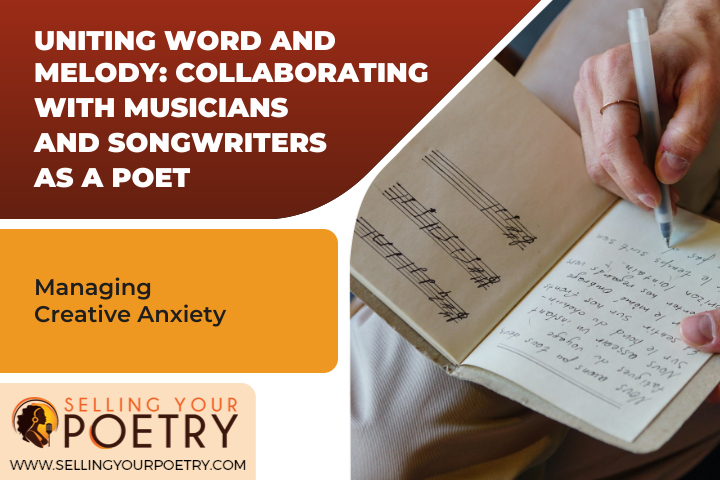
Managing Creative Anxiety
The creative journey of a poet collaborating with musicians and songwriters can be daunting, but the rewards of successful collaborations are immense. It is not just about weaving words and melody together but also managing one's own expectations and anxieties while working with others. Recharging motivation and building trust between collaborators is essential in order to create an inspiring partnership that produces something extraordinary.
The creative process of collaboration often involves some discomfort, as writers may feel vulnerable or exposed when sharing their work. Though it can be intimidating for some to open up to new people, it is important to remember that the process is designed to help improve one's craft and take it to the next level. It is beneficial for poets to view collaborations as opportunities for growth rather than potential sources of judgment or criticism.
Achieving inner peace through self-reflection can help writers get past their anxieties before they enter a collaboration. When writers reflect on their feelings and experiences, they gain clarity on how to approach their work in a creative yet productive way. As these reflections progress, writers can then move forward by trusting themselves enough to embrace creative risks without fear or hesitation. By doing so, poets are better equipped emotionally and mentally to engage in meaningful collaborations with other creatives that can potentially yield powerful works that unite words and melody.
Reaping The Rewards Of A Successful Collaboration
Collaborating with musicians and songwriters as a poet can provide many rewards, both tangible and intangible. Networking opportunities are one such reward, as they allow the writer to expand their circle of contacts in the industry and make valuable connections that may lead to future projects. There is also an emotional investment in successful collaborations, which can be extremely rewarding. The writer will gain a sense of satisfaction knowing that their work has been appreciated by others and that their words have been used to create something beautiful. Additionally, working on poetry and music collaborations can be incredibly liberating for a writer who seeks freedom of expression through their art.
The creativity of collaborating with musicians and songwriters offers many unique advantages, both artistically and professionally. When writing for a collaboration, the poet is able to explore ideas that they might not have thought of when working on solo projects. This can open up new possibilities while giving them creative license to push boundaries in terms of structure and form. Furthermore, collaborating with other professionals gives the poet access to different artistic perspectives, which can help them better realize their vision for a project.
Writing collaboratively also encourages learning and growth within the creative process due to the exchange of ideas and constructive feedback between writers, musicians, and songwriters. This type of open dialogue allows for productive conversations about how best to approach certain aspects of a project or identify areas where improvements could be made. Ultimately, this dialogue helps writers create more meaningful works, resulting in successful collaborations that all parties involved can be proud of.
Frequently Asked Questions
What Is The Most Effective Way To Communicate My Ideas To A Musician Or Songwriter?
Collaborating with musicians and songwriters as a poet is like an intricate dance, requiring both partners to be in perfect sync. To ensure that ideas are effectively communicated, interactive brainstorming and poetry analysis are both essential. As a collaboration writer, it is important to engage the audience with an inviting style that speaks to their subconscious desire for freedom. By using this approach, the poet can construct a bridge between music and words that is truly captivating.
What Are The Best Resources To Use When Collaborating With Someone Online?
For successful remote collaboration between poets and musicians or songwriters, it is essential to take advantage of the best resources available. Utilizing tools, such as remote networking and time management software, can give both parties the ability to work together seamlessly, no matter the distance. Additionally, having an understanding of both music and poetry can help create a more cohesive collaboration by allowing each party to understand the other's process better. Taking advantage of these resources can ensure that all parties involved are able to effectively communicate their ideas with one another.
How Do I Ensure That I'm Not Infringing On Someone Else's Copyright?
When collaborating with musicians and songwriters as a poet, it is important to ensure that copyright infringement does not occur by taking legal advice and engaging in contract negotiation. Legal advice should be sought to understand the importance of protecting intellectual property rights, which may include registering your works with the U.S. Copyright Office and understanding the potential liabilities associated with copyright infringement. Contract negotiation between collaborators is also essential to ensure all parties are aware of their rights, responsibilities, and obligations. With these steps taken, poets can work confidently in collaboration with musicians and songwriters without worrying about infringing on someone else's copyright.
What Do I Do If My Collaborator And I Have Different Creative Visions?
Writing poetry and music collaborations remotely can take a lot of time, energy, and commitment. It is not uncommon for collaborators to have different creative visions, which can cause difficulty in the process of producing the final piece. The best way to manage this situation is to communicate openly early on in the writing process. Discussing expectations, setting flexible deadlines, and agreeing on a plan of attack will help ensure that both parties are satisfied with the outcome. Additionally, it's important to remember that there is no right or wrong way of creating art, so be open-minded when working with your collaborator and respect their unique vision.
How Can I Manage My Anxiety When Working On A Collaborative Project?
The process of collaborating on poetry and music can often feel overwhelming, especially when managing anxiety. Building trust between collaborators is key to creating successful projects and establishing emotional boundaries. This process requires patience to foster a sense of security and comfort, enabling one to take risks and explore new ideas without fear of judgment or criticism. It also involves developing a mutual understanding of each other's intentions and expectations while making sure that everyone's voice is heard. With the right approach, it is possible to navigate the anxieties associated with collaborative work and create meaningful collaborations that ensure creative freedom in the pursuit of artistry.
Conclusion
Symbolism is a powerful tool when collaborating with musicians and songwriters. Working together, each partner can embrace their own creativity while contributing to the shared vision of the project. Through the use of descriptive words and vivid imagery, poets and composers can create something that speaks to both the heart and mind. As writers, we have access to a diverse range of artistic expression that allows us to reach new heights in our creative pursuits. By uniting words and melody, we are able to bring out the best in each other's work as we strive for something greater than ourselves. Together, we can make something truly beautiful that reaches far beyond our individual efforts.
What To Do Next
Want to take your collaborations to the next level? Discover the secrets to building relationships with collaborators in our exclusive article.
Ready to explore new creative avenues? Learn how to work effectively with visual artists and illustrators in our insightful guide on working with visual artists and illustrators for poetic inspiration.