The Power Of Collaboration: Building Your Poetry Audience Through Partnerships



Are you a poet looking to build an audience? If so, youve come to the right place. The power of collaboration is something that cant be underestimated when it comes to building your poetry audience and making your voice heard. By joining forces with other poets and content creators, you can spread your message far and wide and reach more people than ever before.
In this article, you'll learn the secret to leveraging the power of collaboration in order to elevate your poetry career and create meaningful relationships with like-minded individuals. Youll also learn how forming partnerships can help you tap into a new pool of potential readers who are searching for content that speaks to them.
The possibilities are endless when it comes to collaborating with other creatives all it takes is the courage to reach out and seize the opportunity. So if youre ready to take control of your future, join me as we explore the many benefits of tapping into the power of collaboration!
Key Takeaway
The Power of Collaboration article highlights the importance of partnerships in building your poetry audience and expanding your reach as a poet. By collaborating with like-minded poets and tapping into various platforms, you can create a strong network and engage with a wider audience. The article discusses the benefits of working together, finding the right partner, different types of collaborative poetry, promotional strategies, social media engagement, creative ways to connect with your audience, financial considerations for partnerships, and long-term goals for growth. By following the dos and don'ts of collaboration, you can create successful partnerships and grow your poetry audience.
Recommended Action
Don't miss out on valuable tips and resources that can help you in Selling Your Poetry. Visit our Finding Poetry Readers and Fans page now!

What Is Collaboration?
What is a collaboration (aka collabo)? At first glance, the idea of collaboration might seem intimidating. It is a daunting task, one that requires immense amounts of work and time. But collaboration is a powerful tool that can help poets create something greater than the sum of their parts. It's an opportunity to share ideas, resources, and knowledge with others who share a passion for poetry.
Collaboration opens up new possibilities for poets by enabling them to reach wider audiences, hone their craft, and gain valuable insights into the creative process. Together, poets can accomplish more than they could alone. They can create something unique and beautiful that resonates with readers in ways they never imagined. By working together in a collaborative environment, poets are able to push each other's boundaries and explore new directions in their work.
Through collaboration, poets can showcase their artistry and bring something new to the table while simultaneously building relationships with like-minded people who can help them grow. The potential benefits of collaboration are endless - it is up to us, as poets, to take advantage of them! With this in mind, let's explore the many benefits of working together toward a common goal: creating inspiring poetry for all to enjoy.

Benefits Of Working Together
When it comes to building your poetry audience, collaboration is key. Working together with other writers, poets, and content creators can help you expand your reach and create a larger impact with your work.
By teaming up with like-minded individuals, you can combine forces to create something greater than what either of you could have achieved on their own. You can share ideas, resources, and platforms to get your work out there faster and more effectively. Plus, you can use each others contacts and networks to reach new audiences that you may have not been able to access before.
Collaborations can also provide support and accountability when it comes to creating content. When two or more people are working together on the same goal, they become more invested in the success of the project. This kind of enthusiasm often results in better quality work and higher engagement levels with readers.
Sharing the creative process can be an incredibly rewarding experience as well. Not only do you get the chance to learn from each other, but its also a great way to build relationships with remarkable people who share your passion for writing poetry. Ready to take the next step? Let's explore how to find the right partner for your project!

How To Find The Right Partner
Most poets may be surprised to learn that collaborating with other writers can actually increase their audience and sales. According to a recent survey, 84% of respondents said they would be more likely to buy a book if it was co-authored by two or more people. With this in mind, it's important for poets to know how to identify the right partner for their collaborations.
First, poets must consider the kind of work each collaborator can bring to the table. It's essential that both parties are able to contribute something unique and valuable. This could include skills like editing, layout design, or digital marketing. Additionally, each person should have a different but complementary style when it comes to writing poetry. This will help ensure the collaboration is fresh and engaging for readers.
Finally, its important for poets to find someone who has similar goals and interests in mind when joining forces on a project. Having similar expectations will help ensure that everyone involved is focused on achieving success together as a team. Beyond these three criteria, it's also beneficial to look for someone who shares your passion for literature and seeks out creative ways of expanding an audience through collaboration.
With the right partner in tow, poets can create dynamic poetry collections that generate excitement among readers and help take their careers to the next level. Onward now into exploring different types of collaborative poetry projects!
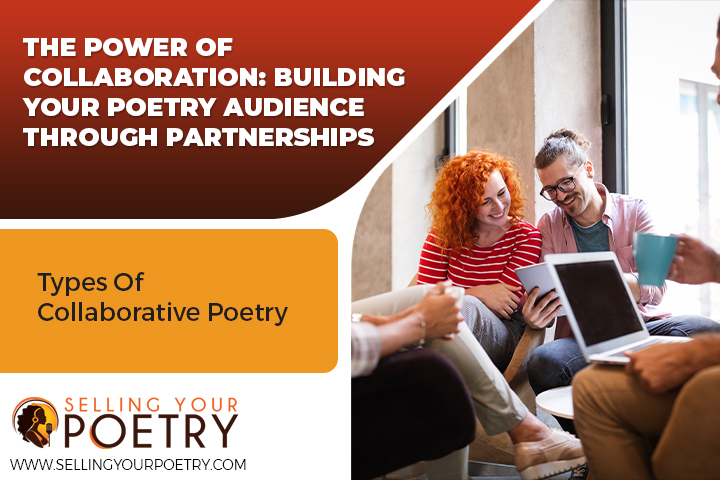
Types Of Collaborative Poetry
Collaborative poetry is a powerful way of engaging with an audience and building your own personal brand as a poet. Through collaborations, poets can explore new forms, gain inspiration from each other, and create unique pieces of art that they could not have produced alone. There are several types of collaborative poetry that can be used to build your audience and promote your work.
Group poetry is one type of collaboration where a group of poets comes together to produce a single poem. This type of collaboration requires the poets to trust each other's writing styles and collaborate on a project. It allows for exchanging ideas between multiple people, creating something more significant than if each poet worked alone. Group poetry can also bring different perspectives together to create innovative pieces that explore a variety of topics.
Another form of collaborative poetry is called chain poetry (or chain verse), which involves passing poems back and forth between two or more poets until it develops into an entirely new piece of work. This collaboration allows poets to develop their works in unexpected directions and explore different poetic techniques with each other's input. It also encourages poets to share their ideas freely within the group and build upon each other's contributions as opposed to competing for attention or recognition.
The final type of collaborative poetry we will discuss is remix poetry. This style involves taking existing works by another poet or even another artist and reworking them into something new. Remixing works can help writers learn from established authors while still allowing them to express themselves creatively in their own voice. In addition, it provides an opportunity for writers to discover new ways to look at a text while helping them hone their craft as they practice working with existing material.
These three types of collaborative poetry provide unique opportunities for writers to stretch their creative muscles by exploring different poetic techniques with other writers and building meaningful partnerships along the way. By combining these strategies with effective promotion strategies, poets can ensure that their work reaches the widest possible audience while developing meaningful relationships with like-minded individuals who share their passion for poetry. With this in mind, lets look at some strategies for collaborative promotion next!

Strategies For Collaborative Promotion
Collaborative promotion is essential for any poet looking to expand their reach and build a loyal audience. With the right partnerships, even the most timid of poets can skyrocket their presence and garner more attention for their work than ever before. It's amazing how quickly a single collaboration can turn into an avalanche of success!
First and foremost, it's important to identify potential partners who will be able to help leverage your poetry. These could be other poets in your network, organizations with an affinity for poetry, or even local businesses who are interested in promoting quality art. Once you've identified these potential partners, you should take the time to craft messages tailored to each one that highlight why they would be a great fit for collaboration.
Next, it's time to actually reach out and make those connections! You should use as many channels as possiblesocial media, email, phone callsto make sure you have maximum exposure. Additionally, make sure that your communication is consistent and professional; this will instill confidence in potential partners and show them that you are serious about collaborating.
Finally, practice active listening during the conversations you have with your new contacts. Ask questions about their goals and interests so that you can create content that speaks directly to them. By making sure that both parties benefit from the partnership, you'll be able to ensure a successful collaborative promotion strategy that helps you reach more people with your poems!

Social Media Platforms For Engagement
Creating an online presence for your poetry can be daunting. But with the right platforms, you can reach and engage with a larger audience. Social media is an invaluable tool to help establish yourself as a poet and build relationships with readers, collaborators, and peers.
Start by selecting social media sites that offer features relevant to your goals. Twitter, Instagram, and YouTube are great places to start sharing short snippets of your work and connecting with others in the literary community.
For more in-depth content such as podcasts or longer text pieces, platforms like Facebook, Tumblr, and WordPress blogs provide ample opportunities for engagement. Each platform has its own unique set of features and capabilities that should be taken into account when deciding which one best suits your needs.
To get the most out of each platform it's important to post regularly and engage with other users on a regular basis. This will help you build relationships with potential partners who share similar interests or who may have access to resources that could benefit your work. It's also a great way to find new readers who may not know about you yet! With dedication and consistency, you'll soon find yourself part of a thriving online community of poets looking to collaborate and share their work.
These social media platforms are an excellent way to make meaningful connections in the poetry world while growing your audience - but there's more than one way to do it! Let's look at some other creative ways to connect with your audience.

Creative Ways To Connect With Your Audience
Imagining your audience as the sun, radiating warmth and energy, it's important to understand how best to connect with them in an engaging way. To make an impact on your poetry audience, you must invest in creative collaboration partnerships with other like-minded poets and organizations. This creative engagement can help build a strong and loyal following of readers who will patronize your work.
First, connecting with influential voices in your poetry community can be a great way to introduce yourself to new audiences. Whether youre joining an existing group or starting one of your own, being part of a collaborative effort will amplify your voice far beyond what you could do alone. Through these collaborations, you can create content that reaches wider audiences, as well as leveraging each others followings for mutual benefit.
Second, hosting live events is another effective way to reach out to potential readers. Think outside the box when planning events - consider unique and exciting venues, such as libraries or art galleries. You can also collaborate with local businesses on special promotions or discounts for attendees. By creating meaningful experiences that engage and excite fans, you'll have a better chance of turning them into long-term supporters of your work.
Finally, capitalizing on digital marketing opportunities is key to building an online presence and increasing visibility among potential readers. For example, collaborate with other poets through online contests or challenges on social media platforms - anything from writing prompts to virtual book clubs - whatever works best for you! Additionally, explore paid advertising options, such as sponsored posts or boosted campaigns, that can extend reach beyond organic channels and jumpstart awareness among new audiences.
With these creative strategies in place, you can cultivate an engaged fan base that will foster further growth for your poetry career! Now, let's move on to financial considerations for partnerships - factors such as budgeting for events or negotiating contracts are essential elements of successful collaborations that deserve attention.

Financial Considerations For Partnerships
When it comes to financial considerations for poetry collaborations, there are a few key points to keep in mind.
First and foremost, it's important to determine the budget for the project. Will you be able to pay your partner upfront? Or will you need to work out a payment plan? Knowing what resources each party has available will help you come up with an equitable agreement that works for everyone involved.
Next, consider any potential costs associated with the collaboration. For example, will additional expenses, such as travel or equipment rentals, exist? Make sure that both parties are aware of these costs so they can factor them into their budget and plan accordingly.
Finally, explore options for long-term revenue streams. Can you monetize your collaboration through sales of tickets, merchandise, or subscriptions? Thinking about how you can generate revenue now and in the future is essential for ensuring a successful partnership that lasts.
Reviewing these financial considerations, you'll be better prepared to decide when selecting a partner and craft an agreement that meets the needs of both parties. This will help ensure that your collaboration is positioned for success from the outset, setting you up nicely for long-term goals and growth plans.

Long-Term Goals And Growth Plan
Having a long-term goal and growth plan is essential for successful collaborations. It will help you set the right tone for your partnership, identify potential challenges, and ensure that both parties work toward the same end. Having a plan also allows you to track progress and measure success over time.
To get the most out of your collaboration, think beyond short-term gains and consider how both parties can benefit from a longer-term relationship. Here's a quick guide to setting up your long-term goals.
| Plan | Benefits |
|---|---|
| Clearly Define Goals | Helps you stay focused on achieving results |
| Set Realistic Timelines | Ensures timely delivery of results |
| Identify Potential Challenges | Assists with problem prevention & resolution |
| Measure Success Over Time | Allows for accurate assessment of outcomes |
Creating a strategic plan that takes into account all aspects of the collaboration is key to success. The plan should be realistic, achievable, and tailored to meet both partners' needs and objectives. When it comes to determining specific goals, make sure they are measurable, attainable, and relevant. Consider how each partner can contribute value to the collaboration as well as how their individual strengths can be leveraged to achieve collective success.
It's also important to consider what could go wrong during the process, such as disagreements or misunderstandings. Establishing clear communication protocols upfront will help minimize potential conflicts down the line. Additionally, having an agreed-upon exit strategy in place ensures that both parties have access to an orderly dissolution if needed. Taking these steps now will save time and energy in the future by avoiding costly missteps or complications should things not work out as planned.

Dos And Donts Of Collaboration
Collaboration is an incredibly awesome tool for poets, and when done right, it can generate a wealth of opportunities. First, however, it's important to understand the dos and don'ts of collaboration to ensure that you're getting the most out of your partnerships. Here are some tips to ensure success.
Do your research: Before committing to any collaboration, ensure that you have all the information you need about the other poet or organization involved. Understand their style, preferences, and what they want in a partnership. This will help you make an informed decision about whether this is the true collaboration for you.
Don't be afraid to negotiate: Don't be afraid to speak up if something doesn't feel quite right or isn't suitable for you. Negotiating terms and conditions upfront will help ensure that everyone's expectations are met before any work begins.
Do set goals: Collaborations should always have a clear objective in mind from the startwhether it's creating a new collection of poetry or reaching a specific audience sizeso that everyone involved knows what success looks like and how they can contribute toward it.
By understanding these dos and donts of collaboration, poets will be able to maximise their potential through successful partnerships and reach new heights with their work!

Frequently Asked Questions
How Much Does It Cost To Collaborate With Another Poet?
Collaborating with another poet doesn't have to break the bank. According to statistics released by PoetryGig, nearly two-thirds of successful collaborations are done for free. This means that many poets out there are finding ways to collaborate without any financial investment.
For those who do decide to invest some money in a collaboration, it's important to consider the benefits of working with someone who can bring something unique to the table. The most common cost associated with collaborations is paying for services like editing and marketing support. While these services may come with an upfront fee, they can provide invaluable help in building an audience and getting your work out there.
When deciding whether or not a collaboration is worth the cost, ask yourself what kind of impact it can have on your career as a poet. Is it likely to open up new opportunities or networks? Will it be beneficial for you in the long run? It's also important to consider if the collaboration will truly reflect your own artistic vision and allow you to express yourself freely. Ultimately, only you can decide if it's worth taking on a financial investment for a collaboration project - but when done right, the rewards can be immense!
What Are The Legal Implications Of A Poetry Collaboration?
When collaborating with another poet, it's important to consider the legal implications. As two artists come together to create a piece of poetry, rights and responsibilities must be taken into account for each. To ensure that both parties involved in the collaboration are legally protected, it is critical to understand what is required to make the partnership successful.
One of the most important aspects of any collaboration is communication. Before getting started, it is essential to clearly define expectations for how each individual will contribute and how credit will be given for their efforts. This should also include a discussion about how royalties or other payments may be shared between collaborators once the work has been published.
In addition, each party needs to know what rights they retain over their work and what type of license they are granting when allowing another artist to use their work in collaboration. When creating a poem together, authors should consider obtaining an agreement that clearly outlines who owns the copyright on the completed work. Here are some key points that should be addressed.
- Who owns the copyright?
- How will royalties/payments be shared?
- What type of permission does one artist need from another before using their lyrics/poem?
- Are there any restrictions on using parts of the poem in other works?
These questions can help clarify any potential issues that could arise while working on a collaborative project. Ultimately, making sure that all legal matters are handled correctly gives both poets peace of mind and allows them to focus on producing creative and engaging content without worry or confusion about who owns what rights over their hard work.
Is It Possible To Collaborate With Another Poet Remotely?
Whether it is possible to collaborate with another poet remotely has become more relevant with the increasing prevalence of digital technology. As the world moves increasingly online, it makes sense that poets should be able to connect and exchange ideas from anywhere in the world. But what are the practicalities of working on a poetry collaboration remotely?
To ensure a successful remote collaboration between two poets, There are several important considerations to ensure a successful remote collaboration between two poets.
- Establishing a reliable communication channel - this could be via Skype, email or any other method that allows both parties to easily stay in touch
- Setting clear goals and expectations - this should include outlining deadlines for when each party will deliver their work and discussing how each poem will be edited or reviewed by both parties
- Agreeing on copyright ownership - its important to decide who owns the rights to the poem once its complete, as well as how royalties will be divided if it is published
- Discussing a timeline - this should include when each party expects their part of the project to be finished and also when feedback needs to be given.
With these items settled, there is no reason why two poets can't produce great work together remotely. Technology has made it easier than ever for people around the world to come together and create something beautiful. Poetry collaborations between distant partners can result in some stunning pieces of work that would not have been possible without digital connectivity. Not only does this make amazing art available to a wider audience, but also gives poets access to new perspectives and powerful creative energy from all over the globe.
Remote collaborations between poets can empower us all, providing us with increased opportunities for meaningful connection regardless of geographical boundaries. With creativity being such an essential component of poetry writing, embracing remote collaborations can open up whole new worlds of possibility for everyone involved.
How Can I Get More Exposure For My Collaborative Poetry?
If you're a poet looking to increase your exposure, collaborating with other poets is one of the best ways to do it. It can help you reach new audiences and build connections that could have a lasting impact on your career. However, with so many poets around the world, it's often hard to find someone who is willing to collaborate remotely.
Fortunately, there are some steps you can take to get more exposure for your collaborative poetry. The first step is networking. Connecting with other poets in your area can help you find potential partners. You can also reach out to other poets through social media and online forums. This will give you an opportunity to introduce yourself and your work and make connections with potential collaborators.
Another great way to get more exposure for your poetry collaborations is by attending live events or joining organizations, like Poetry Slams or open mics. These events are great places to meet other poets, showcase your work, and make valuable connections. You can also join online groups dedicated to poetry collaboration, allowing you to connect with like-minded individuals worldwide and get feedback on your work from experienced poets.
No matter what method you choose, the key is staying proactive in finding potential partners for collaborations. With some creativity and effort, you'll be able to get more exposure for your poems and grow as an artist in no time!
How Do I Decide Who To Collaborate With?
When it comes to building an audience for your collaborative poetry, deciding who to collaborate with can be a tricky task. But it doesn't have to be. With the right mindset and research, you can identify partners that fit your style and aesthetic, as well as create meaningful connections that lead to more exposure for your work.
The key is to think about what kind of impact you want to make with each collaboration. Are you looking for something short-term or long-term? Are you trying to reach a new audience or build relationships with existing fans? Do you want your collaboration partner's style and tone to complement yours? Asking yourself these questions will help you narrow down potential partners and ensure that everyone involved gets the most out of the partnership.
It's also important to remember that finding the right collaborator is only part of the equation. You also have to foster trust and communication between both parties if you want the collaboration to be successful. Take time to get to know each other, discuss ideas openly, and make sure everyone agrees on goals and expectations before moving forward. This way, everyone involved can feel comfortable and secure in their roleand, in turn, this will help create an experience that resonates with both audiences.
By following these tips, you'll be able to find the perfect collaborator for your creative projects and ultimately establish a strong base of dedicated followers who appreciate your work.
Conclusion
Collaborating with another poet can be a rewarding experience. It has the potential to expand your audience and give you new insights into your own writing. With the right partner, you can create something truly special and one-of-a-kind. The cost of collaboration is often minimal, and there are plenty of legal resources available to ensure that youre both on the same page. You can even collaborate remotely if youd prefer, exploring different ways to combine your voices from afar!
Once you have a collaborative poem ready for release, there are lots of ways to get it out into the world. You can post it on social media, share it in newsletters or podcasts, or even pitch it to publications that accept submissions from poets who collaborate together. And when it comes time to choose a partner for your next project, dont forget that there are plenty of talented poets out there take time to research them and find someone whose voice meshes well with yours.
At the end of the day, collaboration is an incredibly powerful tool for poets one that can bring amazing results if used wisely. So whether youre just starting out or already an established writer, give collaboration a try and see what magic happens when two poetic minds come together!
What To Do Next
Ready to find your perfect poetry audience? Dive into our Finding Your Ideal Audience article to learn how to attract your ideal poetry fans on social media.
A deeper understanding of your poetry audience can help you sell more. Check out our Understanding Your Poetry Audience Demographics article to learn how to connect with your readers on a deeper level.